Suzanne Vine's Old and New to Somerville etc.

  • Blog
IMG_0284.JPG
IMG_0330.JPG

The Grass Is Always Greener: From Portugal to Providence and Points in Between

December 09, 2017 by Suzanne Vine

Packing and unpacking and living out of a suitcase in the U.S. before repacking. Ten different beds in the course of three weeks. That's what I have been up to for the past month. That's the less glamorous side of being an expat, or at least the kind of expat who gave up her base of operations in the U.S. before moving. I enjoyed the more glamorous side of the expat fence just before heading to the U.S. when we squeezed in a trip to Portugal in late October. Ironically, that's what expats often do before heading to the U.S.: we travel around here just to remind ourselves what we would miss if we moved "back home". Now that I'm on a proverb role, I might as well add in, "A rolling stone gather no moss." I feel like a rolling stone these days, or maybe I'm just thrilled by the chance to add in this glorious tune here. And those pink suits! Just the best.

In Lisbon, we were treated to astonishingly blue skies and temperatures in the low-80's. I do tend to write quite a bit about the blue skies outside of Amsterdam. Perhaps I should revise the familiar adage, "The grass is always greener on the other side of the fence" and change it to, "The sky is always bluer anywhere other than Amsterdam."  Since moving here, I've given a lot of thought to the notion that "the grass is always greener" and its implications for me and for many expats. We are always comparing life in the Netherlands to life in the U.S., with the U.S. increasingly getting the short end of the stick in these post-election times. You could also say this constant need to travel is related to the "grass is always greener" phenomenon. We are always on the look-out for that new place which will give us what we lack here. Some of those items on the other side of the fence include sun (hence the trips to Portugal and Spain), excellent food (Italy and France), mountains (Switzerland and Austria), and cheerful friendliness (Ireland). Sometimes the journey to the other side of the fence just brings us face-to-face with an only infinitesimally different version of our life here (Germany, with its sausages, and England with its grey skies come to mind).

It turns out that the phrase about envying that grass across the way isn't uniquely American and it has been kicking around for a long time. Most word-nerds (thought I just made this phrase up until I goggled it) claim the phrase comes from the Roman poet Ovid, who wrote back in about 1 B.C., "Ferilor seges est alienis semper in agris," ["The harvest is always more fruitful in another man's field."]. It seems the phrase has equivalents in other languages, including rap. Enjoy this version by Ludacris.

To understand a little bit about what I've been tussling with, let's take a look at what's on the Lisbon side of the fence. Aside from the glorious weather, the city is decorated from top to toe with tiles. They are underfoot, and on the sides of buildings, and well, everywhere. 

IMG_0299.jpg
IMG_0196.jpg

Then there's the uncanny resemblance to a place near and dear to my heart: San Francisco. Like her California cousin, Lisbon has a Golden Gate-ish bridge, cable cars to help you deal with some impossibly steep streets , stunning flowers, and colorful murals. Note the common denominator in all these photos, she said in her broken-record way: that blue sky. A girl could really get used to this side of the fence.

IMG_0260.jpg
IMG_0317.jpg
IMG_0305.jpg
IMG_0313.jpg

If you go to Lisbon, hop on a train and visit Sintra. We did, and from the looks of the lines, so did everyone else the day we went. Despite the crowds, it was all worth it when we finally saw the Palacio Nacional da Pena (National Palace). I grew up with someone whose older sister was named Cintra, and once, long ago, I looked the town up in an encyclopedia. I knew I had to go someday. I didn't know it would take me over 40 years, nor that the encyclopedia would no longer exist by the time I made it there. It's like the gaudiest collection of red-carpet ball-gowns lined up, or Disneyland on mushrooms (no personal experience there, just from what I'm told). When you add in the blue sky we were treated to, it all made for a spectacular rainbow of architectural delights. 

IMG_0292.jpg
IMG_0274.jpg
IMG_0301.jpg

Portugal provided not just colors to satisfy my hunger for color - there are not many colors from the Crayola Crayons 64-count box in Amsterdam - but also my general hunger. If you like seafood, you will find your soulmate in Lisbon, and at a very reasonable price. 

They say you can tell if fish are fresh by their eyes. Every one of these were shiny and bright, and just waiting to leap onto a dinner plate somewhere.

They say you can tell if fish are fresh by their eyes. Every one of these were shiny and bright, and just waiting to leap onto a dinner plate somewhere.

I've been to my share of food markets during our travels, but the one that housed this fish stall was a cut above all the rest. The Time Out Market has vendors selling fish, meat. fruit, vegetables, and flowers, but also the best-of-the-best restaurant stalls indoors. Talk about struggling with a grass is always greener feeling. No sooner did I settle on my sea bass and sweet potato fries lunch than I had to walk past a risotto, a seafood ramen, and all manner of best-of-Lisbon treats. Luckily, I could console myself with the most famous of Lisbon's many delicious pastries: the pastel de nata. Apparently, these little treats were created by Catholic monks at the Jerónimos Monastery in Lisbon where egg whites were used to starch the clerical clothing. What's a monk to do with all those unused egg yolks, you ask? Why, bake some little egg tarts, of course. Necessity is the mother of invention, after all. The pastéis de nata in the Time Out Market at Manteigaria richly deserved their award as the best in Lisbon. Our youngest friends in Amsterdam, Tali and Libbi, ages 7 and 5 , were in Lisbon the exact same weekend as the Drucker-Vines. They had sampled their fair share of these pastries in Lisbon and confidently also proclaimed the ones in the photo the best. Just imagine, by the way, being an expat kid and getting to travel to all these amazing places during your school breaks. Note to self: I need to write about what it's like to be a kid in Amsterdam in a separate post. Anyway, we had secretly planned (with the parents) to meet up with our little friends when we were all in Lisbon. I think I was much more excited than they were by the "coincidental" meet-up at the market. 

Photo credit to their mom, Jodie, for capturing a rare photo that includes Peter. These gals have so much happy energy, even without the sugar in these tarts. I love looking at the world through their eyes. What an adventure they are having here!

Photo credit to their mom, Jodie, for capturing a rare photo that includes Peter. These gals have so much happy energy, even without the sugar in these tarts. I love looking at the world through their eyes. What an adventure they are having here!

It's easy to see what's to love about Lisbon. In addition to the blue skies, the bright colors, and the food, there was also the warm welcomes we got. It's hard not to compare that warmth to the often brisk replies you get in Amsterdam, and that's on a good day. It turns out that this difference in personality may be related to the weather. In a recent study in Nature, breaking news in the Washington Post, researchers found that people from warmer places have, well, warmer personalities. I'm not making this up. If you come from a warmer climate, you are more agreeable, you have a more positive mood, and you're more social. They say that if the weather is better, you're more likely to go outside, and that makes your personality more outgoing. I'm glad to have an explanation that blames something out of my control (the weather). I still can't help but wish for a few more sunny greetings in Amsterdam when I walk Casey or enter a shop.

In fact, everywhere you go in the city, these little treats call out to you. It's like walking in the Red Light District: you don't know if you should make eye contact, but you just can't help it. 

In fact, everywhere you go in the city, these little treats call out to you. It's like walking in the Red Light District: you don't know if you should make eye contact, but you just can't help it. 

I was able to request many miracles both during my stay in Lisbon, and also later when we returned to Amsterdam with our to-go package.

I was able to request many miracles both during my stay in Lisbon, and also later when we returned to Amsterdam with our to-go package.

Alas, our weekend in Portugal had to come to an end, and soon we were on to our next stop: Providence, Rhode Island. Just to bring you up-to-date, after spending some time in Amsterdam getting her mojo back -post-rheumatoid arthritis diagnosis - Rachel felt ready to take on the world of full-time work. She was heading to Providence to work for City Year Providence as a peer mentor/teacher's assistant/full time observer of the educational roadblocks poor students face. As a quick aside, when we were trying to figure out Rachel's options, we discovered that an expat's college-grad kids can't just "re-nest" (move back in with mom and dad) after graduation like so many of their U.S. peers. It turns out they are restricted to the 90-day tourist visa limit. I know of some friends back in the U.S. who wish their kids had that same temporary residency limit. Anyway, the good news is that Rachel was feeling better, and we didn't have to try to fight back against the Dutch immigration authorities. It would have been a losing battle anyway. The good news is I got to travel to Providence to help her get settled, and to explore the city with my newly-opened expat eyes. Providence has a lot in common with Amsterdam: hip coffee, lots of young people, and interesting architecture, just with better food inside those buildings.

There were plenty of people riding bikes around in Providence, but it's not quite up to Amsterdam standards yet, this mural notwithstanding.

There were plenty of people riding bikes around in Providence, but it's not quite up to Amsterdam standards yet, this mural notwithstanding.

The Rhode Island School of Design is in Providence, so there's lots of great art. And Johnson and Wales University, known for its culinary majors, accounts for the food bonanza. It's a great combination for a city to have. The mural says, "It takes …

The Rhode Island School of Design is in Providence, so there's lots of great art. And Johnson and Wales University, known for its culinary majors, accounts for the food bonanza. It's a great combination for a city to have. The mural says, "It takes all types." I'd settle for these two types.

The coast of Rhode Island is also beautiful and reminded me of the Netherlands. Thanks to my friend Tina for the long walks and book recommendations and for having a house in a place that looks a lot like "home".

The coast of Rhode Island is also beautiful and reminded me of the Netherlands. Thanks to my friend Tina for the long walks and book recommendations and for having a house in a place that looks a lot like "home".

When I'm in Amsterdam, I think of how nice it would be to be able to see my family and my old friends in the U.S. more often. Then I get to the U.S. and that green grass quickly fades. I realize how often I'll have to move around, lugging my suitcase and trying to answer questions about my life in Amsterdam. Despite all the hassles, this "Tour de Friends" works, or maybe it's just the least bad option I have. 

 When you pick right up like no time has passed, that's how you know it's a real friendship. So lucky to still have that with these gals. 

When you pick right up like no time has passed, that's how you know it's a real friendship. So lucky to still have that with these gals. 

 When one of your college roommates (that's Karen on the left) grows up to be a public health expert speaking on a panel at Brown University in Providence, RI, at exactly the same time you are going to be there, you also feel really lucky. And very p

When one of your college roommates (that's Karen on the left) grows up to be a public health expert speaking on a panel at Brown University in Providence, RI, at exactly the same time you are going to be there, you also feel really lucky. And very proud to call her a friend.

 Being in the U.S. means driving, which is something I happily don't do in Amsterdam. When you have to drive long distances, it helps when you can break up the trip with a visit to your niece Emily who's getting her PhD at Yale. This gave me the chan

Being in the U.S. means driving, which is something I happily don't do in Amsterdam. When you have to drive long distances, it helps when you can break up the trip with a visit to your niece Emily who's getting her PhD at Yale. This gave me the chance to take her out to lunch, ask her once again what exactly her degree is in, and nod my head as if I understood. Science something. 

It's exhausting, and also exhilarating, this whirlwind visitation schedule so many expats keep. There's never enough time to see family and friends, and no matter how long I'm there, I never do get to see everyone. I'm grateful to family and friends who put up with the constant drop in/drop out of their lives. As soon as I get back to Amsterdam, I'm already looking forward to my next trip "back". Then suddenly, I think more fondly about the U.S. travel. Living out of a suitcase isn't that bad, is it?, I ask myself once I'm safely settled back in Amsterdam. It helps make the U.S. side of the fence seem very green when the weather that greets you back in Amsterdam is nothing short of ridiculous. Here's a quick video of the hailstorm that greeted me on my first full day back in Amsterdam after Thanksgiving. That sound is the sharp crackle of the hail hitting the pavement. My bike, my phone, and I took cover under a store awning.

I could understand if you conclude after reading all of this that I'd rather be in the U.S., or any sunny place here in Europe, rather than in Amsterdam. Yes, just like Lady Gaga I've given you a million reasons why I might want to leave. "I've got a hundred million reasons to walk away, but baby I just need one good one to stay." I'll get to that one good one soon. By the by, I never understood before why so many people adored Lady Gaga, especially in her meat-suit-wearing days, but this song is so darn good. It was just about the only song on the radio in the U.S. that was worth listening to again and again. And just like The Temptations at the start of this post, she is rockin' the pink.

So what is that one reason that keeps me loving this adventure here, especially as we head into the dark days of winter? I'm not sure I can break it down in quite that way. Let's look instead at the positive (albeit dark) side of the ledger: there's a real comfort to living here. It might have something to do with the flatness (easy to walk and bike), or the fact that it's a small country, or that it's so close to so much else we want to explore, or that so many people speak English. One does get an awful lot of reading and writing done here during an Amsterdam winter, to say nothing of your ability to stay up-to-date on your movies. I've taken up knitting again, too. Take that, Lisbon. You really have to get used to living on both sides of the fence when you are an expat. Here's Joni Mitchell, an icon from my teens, explaining the real truth as she so often does, "I really don't know life at all."

I recently read an article in the New Yorker entitled Where the Small-Town American Dream Lives On. (Thank you to Peter for recommending it. I think that's one important but little-discussed aspect of a good partner: someone who can recommend articles you need to read so you don't miss out. A kind of personal content digester/archivist). The article is about a small town called Orange City in Iowa, founded by Dutch immigrants, where the residents are still mostly Dutch. The article examined the tendency of the inhabitants of the town to stay put rather than move away. The residents of Orange City are quite unlike many young people - and not so young people like us - in the rest of the world. The author of the article writes, "But in America, a country formed by the romance of the frontier and populated mostly by people who had left somewhere else, leaving has always been the celebrated story—the bold, enterprising, properly American response to an unsatisfactory life at home." I was reading the article while writing this post, and the very last paragraph of the article called out to me: "Imagining that moving home could resolve your conflicts and fulfill your longings was as misguided as imagining that leaving would do the same thing. Home should not be idolized, she believed—only loved."

I think you could say the same about your family: it's meant to be loved, not idolized. Here's Rachel and me at "our" canal, the one near our apartment.

I think you could say the same about your family: it's meant to be loved, not idolized. Here's Rachel and me at "our" canal, the one near our apartment.

So what does that all mean for me and my tendency to see the grass as greener where I'm not? I'm thinking the message in the article is that making a place stand for "better" or "worse" in your life misses the mark. Is it ever possible to somehow learn to separate yourself and your happiness from the place where you happen to be? Are we always destined to imagine that the someplace else is better?

This thinking about place envy has me remembering a movie I recently saw. One of the things I most look forward to when I go back to the U.S. is going to the movies with my mom. This time, we saw a gem called The Florida Project, and I can't seem to get it out of my mind. It's one of the most honest depictions I can recall (in film or in print) about the world as seen through the eyes of children. I mention the film in this post because it's also about place, and the people who live in that place. Without spoiling it for you, I'll just tell you that the children live in a bedraggled motel in the shadow of Disney World. The "magic kingdom" represents everything these children don't have. It's not that they wish they had different lives, but we can't help wishing that for them. I guess it's ironic, or maybe not, that they don't wish they lived on the other side of the fence. I'm including the trailer so you can see what I mean. Nothing much happens in the film, at least until the very end, but you won't be able to take your eyes off the kids who are the stars of the film. Go see it. When it comes to Amsterdam, I'll see it again. Rain or shine.

Just as I was ready to wrap this post up, I encountered a little serendipity in Amsterdam the other morning during a run. Like a mirage, there it was: a small coffee and pastry shop selling pastéis de Nata, Lisbon-style. Now that's some kind of coincidence, or a sign from above. You could say it's a sad sign that you don't need to travel anymore to see special place-specific treats. Is our world quickly turning into a bland homogenized big-box store? What are the chances, even if all that is true, that I would run right into this new store just when I was telling you about my adventures with these pastries? I say it's a sign that I shouldn't be always thinking the place I'm not is better than the place I am. Now if they could just find a way to import some blue sky over here....

IMG_0445.jpg

A happy and (most importantly) a healthy holiday season to all my friends and family: here, there, and everywhere. I'll end with one of the best songs ever. "Two thousand miles I roam, just to make this dock my home." 

December 09, 2017 /Suzanne Vine
16 Comments
Rachel and I recently toured an area north of the North - Waterlands - on a canoe.  We felt like we were miles away from the hustle and bustle of Amsterdam, but it's only a 15 minute bus ride away. While the rest of the group paddled furiously …

Rachel and I recently toured an area north of the North - Waterlands - on a canoe.  We felt like we were miles away from the hustle and bustle of Amsterdam, but it's only a 15 minute bus ride away. While the rest of the group paddled furiously to keep up, we led the way with a ringer in our canoe: the tour guide. And her muscles.

North, South, East, and West: Stepping Out of My Bubble in Amsterdam

November 03, 2017 by Suzanne Vine

In September, I passed my three-year milestone in Amsterdam. Expat years are kind of like dog years, so three years makes me a very elderly expat, indeed. In those three long years, I like to think I have discovered a lot of the city. I like to think I've gotten out of my neighborhood and explored. I like to think some of you are still reading along. This post gives me the chance to share some of what I have discovered on my journeys and weigh in on the experience of living here for three years. In the end, I may not have much wisdom to share, but I can tell you where to get a good cup of coffee. Feel free to share this post with your visitors so we all don't have to reinvent the recommendation-wheel every time family and friends come to stay. I purposely left out all tips for the center of town. Most expats already know that part of town and can steer their visitors to the right spots for food, drink, and sightseeing. Frankly, you can just walk up and down the canals and find your own favorite places without much fuss...you and the crowds who visit Amsterdam. I'm going to sound like a cranky Dutch native, but we avoid the center as much as possible during the summer months. Even in the three years since we arrived, I see more and more tourists, and hear less and less Dutch spoken. The city seems to be trying to strike a balance between accommodating the tourists - and their money - and yet keeping the charm of Amsterdam alive and well. Some would say the balance is tipping towards the tourist dollars right now.

This little plant shop, Wildernis, is in Oud West, Amsterdam West. It might as well be in the Wild West to some expats who don't venture there often. Rachel found this place when browsing through Instagram posts. You can buy all sorts of plants, and…

This little plant shop, Wildernis, is in Oud West, Amsterdam West. It might as well be in the Wild West to some expats who don't venture there often. Rachel found this place when browsing through Instagram posts. You can buy all sorts of plants, and, of course, a cup of coffee or tea after exerting yourself with your plant shopping.

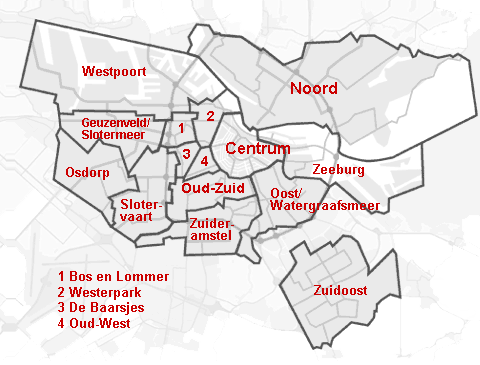
A quick geography lesson for those of you who don't live here: Amsterdam is composed of different neighborhoods. Like many of the neighborhoods in New York City - well, actually in Manhattan with its Upper West and Lower East Sides, etc. - the names of the neighborhoods are mostly directions with actual names for some of the neighborhoods tucked inside those big areas. So here we have North (Noord), South (Zuid), East (Oost), West (West). and The Center (Het Centrum), but also de Pijp, and The Museum Quarter. Like many in the expat community, I live in Oud Zuid, or Old South.

It seems like every map you look at divides the city in different ways. Some leave it in big chunks (North, South, East and West) and some include the names of the neighborhoods. No wonder I get lost so often.

It seems like every map you look at divides the city in different ways. Some leave it in big chunks (North, South, East and West) and some include the names of the neighborhoods. No wonder I get lost so often.

Here's the great part about living in our hood: we are a few short blocks to Vondelpark, Amsterdam's Central Park. We're also a few short blocks to the Van Gogh Museum, the Rijksmuseum (home to the Vermeers and the Rembrandts you want to see), and the Stedelijk, the modern art museum. We're also only a short walk from the elegant concert hall, Het Concertgebouw. And we have taken full advantage and seen lots and lots of concerts. We never seemed to do that when we were only a short train ride away from New York City.

 You can see a real Picasso sculpture in Vondelpark. I'm always surprised that no hooligans have ever taken a can of spray paint to it. Maybe even they have limits.

You can see a real Picasso sculpture in Vondelpark. I'm always surprised that no hooligans have ever taken a can of spray paint to it. Maybe even they have limits.

 Peter and I often have moments when we shake our heads in amazement that we are actually living here. Mine often come when I look up at the majestic  Rijksmuseum . How did we get so lucky to live so close by? Or to live here at all? I took this phot

Peter and I often have moments when we shake our heads in amazement that we are actually living here. Mine often come when I look up at the majestic Rijksmuseum. How did we get so lucky to live so close by? Or to live here at all? I took this photo during the Women's March, where for once Museumplein, the square surrounding the museums, was packed with protestors, not tourists taking selfies.

 I love the quiet side of the museum, where the bikes outnumber the people.

I love the quiet side of the museum, where the bikes outnumber the people.

Now what's the downside of living in my part of town? For one, it can feel like a bubble. A very tony, one-dimensional bubble. The one "regular" store here - a hardware store - just closed its doors. It will be replaced by yet another "bougie" boutique selling overpriced clothes that appeal to someone, I suppose. That someone is definitely not me. The other downside is that there isn't much culinary diversity. You can find Italian food, or Dutch bistro-style restaurants, but where is the Thai? The Vietnamese? The Lebanese? And where are the good coffee spots? That's a problem. So to find what I need, I have to get out, out, and about. Or up, up, and away, as The Fifth Dimension would say. I was fascinated by their breezy stylishness when I was a kid.

The Dutch pride themselves on being a society of equals. When we came to look for apartments before we moved here, the relocation person told us that there weren't any super-rich here. Then who lives in those houses along the canal near the apartmen…

The Dutch pride themselves on being a society of equals. When we came to look for apartments before we moved here, the relocation person told us that there weren't any super-rich here. Then who lives in those houses along the canal near the apartments she was showing us, I asked. The answer? Drug dealers. I can assure you that not all the fancy houses in Amsterdam are inhabited by drug lords. 

So, let's get out of the bubble, shall we? First, we head to Noord, the North. This part of the city is a little out-of-the-way. You have to hop on a ferry behind Central Station to get there, unless you have a car. They are talking about building a new bridge that will allow you to bike from behind the station, but I've learned that there can be lots and lots of talk before any shovel breaks ground, so I'll believe it when I see it. For now, take your bike right on the ferry. Once in the North, I recommend heading out to a giant oasis called Het Twiske. You can bring your lunch and have a picnic. You will feel like you are in the middle of nowhere.

When Ben was here for a visit, we went straight to the motherland for our picnic provisions: a place called Piqniq, in the Jordaan, a neighborhood in the center of the city. Worth every penny. Gluten-free bread available, making this picnicker a ver…

When Ben was here for a visit, we went straight to the motherland for our picnic provisions: a place called Piqniq, in the Jordaan, a neighborhood in the center of the city. Worth every penny. Gluten-free bread available, making this picnicker a very happy camper.

On the way back from your bike ride through Noord, you can stop for coffee at The Coffee Virus. Very good coffee. Not so good English. Here's a sentence from their website: "We are very ambitious. Actively we look to expand and spread our positive virus at other inspiring locations were [Note: Yup, you read that right], creatively, we adapt to our surrounding." One job idea I have is to help businesses rewrite their "English" into words that make sense. An English Fixer. They really need my help here. 

Although not inside the city limits of the North, once you are up there, you can visit some quaint villages like Marken, and some touristy ones like Volendam. If you're really feeling like a tourist, you, too, can get in costume and transport yourself back in time, Volendam-style. Let's just say that Rachel deeply regretted joining me on an outing with the American Women's Club that day. Ben felt slightly better about our bike ride to Marken, but for some reason he refused the opportunity to put his face into the your-face-here board set up near the lighthouse.

IMG_0004.jpg
IMG_4230.jpg

Another place to visit that's north of my bubble is The Zaanse Schans, a colonial Williamsburg-style village where you can step back in time and see what 18th and 19th century life was really like. One of my expat friends took every single one of her visitors there, but I actually ventured there for the fist time in April. It was a grey, windy day, raw even by the usual standards, so the crowds were somewhat thinner. I can't imagine taking this trip on in the height of the tourist crush in the summer. But we actually enjoyed the tour inside a windmill, and the photo ops.

Let's face it: you want to see windmills when you come to the Netherlands. A trip to Zaanse Schans gives you a lot of bang for your buck. You take a short bus ride from Central Station and you're face to face with a whole army of them. I've heard th…

Let's face it: you want to see windmills when you come to the Netherlands. A trip to Zaanse Schans gives you a lot of bang for your buck. You take a short bus ride from Central Station and you're face to face with a whole army of them. I've heard that most Dutch people have never been there, 

 Ah, April in the Netherlands. The wind sure kept those windmills busy. Nancy was glad she brought her parka.

Ah, April in the Netherlands. The wind sure kept those windmills busy. Nancy was glad she brought her parka.

 I don't think the guys inside the windmill - still a working sawmill - had ever seen the likes of our friend Pierre. He really listened to every word they said, even when they slipped in a few Dutch ones. They did their best to answer all of his que

I don't think the guys inside the windmill - still a working sawmill - had ever seen the likes of our friend Pierre. He really listened to every word they said, even when they slipped in a few Dutch ones. They did their best to answer all of his questions.

Let's head East, shall we? This is a neighborhood where, unlike places like Zaanse Schans, Dutch people do live, and do go for dinner and coffee. The area has changed a lot in the past few years. I think even the Dutch would agree that it has become gentrified. You still see many women wearing hijabs, but now you also see tons of young people in search of good food, and lots of new restaurants to lure them in. And then there's me: an expat who is looking to get out of the bubble and take a bike ride for a bit before settling in with a coffee and a book, or a notebook. Some of my favorite Amsterdam places are in Oost: Coffee Bru, Rum Baba, and Roost, where there's a book exchange wall. You can take a book if you forget yours, and bring it home. For keeps. They even have some good books in English. Good coffee is a big reason this Uptown girl likes to get out of the white bread world of the Old South neighborhood.

In addition to good coffee, you can find some good food. There's Smokin' Barrels, where my friend Vera's daughter Rosanne worked until the wee hours, and De Biertuin, where you can find yourself older than the other customers' parents. Lest you think all I do is eat and drink, I can also recommend The Tropenmuseum, a museum "about people". According to the website, "From Africa to West and Southeast Asia, from New Guinea to Latin America: come to the Tropenmuseum and discover that, despite cultural differences, we are all essentially the same." I'm not sure if that's really true, but it's a lovely little museum with interesting exhibits. This museum is one place which doesn't call Dutch colonizing "exploring" but rather, uses the word "slavery" and the Dutch in the same sentence. Imagine that.

 The burger craze has hit Amsterdam hard. Smokin' Barrels makes a burger that any American restaurant would be proud to call its own. And, oh, those fries!

The burger craze has hit Amsterdam hard. Smokin' Barrels makes a burger that any American restaurant would be proud to call its own. And, oh, those fries!

 This exhibit about the history of music was fantastic. How could I not be excited about an exhibit that included my favorite musical genre?

This exhibit about the history of music was fantastic. How could I not be excited about an exhibit that included my favorite musical genre?

One can never get enough of this funky stuff.

While you are in this neck of the woods, you can visit Czar Peterstraat, recently voted the nicest shopping street in Amsterdam. And that was before De Pindakaaswinkel, the store selling one thing and one thing only - peanut butter in various flavors - moved in. I discovered the rest of the street when I went in search of the store one afternoon. It's worth wandering around there.

Finally, let's head to the West, another area of town that has changed a lot in the past five years or so. You will certainly see more "diversity" out there than in my neighborhood, including many Muslim faces. But as the rents around the city rise and rise, there are more pockets of gentrification. I think of the West as the Brooklyn of Amsterdam. For the coffee fans, try White Label Coffee or Lot Sixty One. White Label is still wedged among kebab joints and inexpensive chain stores, but I'm guessing the neighborhood will soon change. Lot Sixty One now has a line down the block on weekends. Sigh. When we first moved here, I discovered this place - like so many others in this post - while walking with Casey. I knew about four people in Amsterdam, and Peter was one of them. I could always go West (my version of Downtown) and find someplace cozy, or gezellig, as the Dutch say. Or, as Petula Clark sang,

"When you're alone, and life is making you lonely
You can always go
Downtown
When you've got worries, all the noise and the hurry
Seems to help, I know
Downtown
Just listen to the music of the traffic in the city
Linger on the sidewalk where the neon signs are pretty
How can you lose?"

Now to really get out of the bubble, you have to go to the Nieuw West, or New West. There you can find some tucked-away gems, like De Cantina. What's not to love about a place where you can read in a hammock, or sit in an old hippie car with your coffee or tea? Note to my expat friends wondering how I find these places: I didn't find this one. Rachel did, on a list of Top 5 Secret Spots in Amsterdam. Shhhh. Don't tell anyone.

IMG_5941.jpg
IMG_5953.jpg
IMG_5947.jpg

So what has changed about Amsterdam in my three years here? Many would say the expats are responsible for one big change: higher and higher rents. You can't blame those rising rent prices and gentrification solely on the American expats, as one recent local news broadcaster tried to do. He also blamed us for the piles of garbage and the noise. We are definitely not taking credit for those, dear Amsterdam. Of course, many of us do come with big pocketbooks and our American values, like huge kitchens and multiple bathrooms, and the Dutch real estate market is certainly trying to oblige. But we aren't the only ones moving into previously affordable areas and turning them into posh hideouts. For selfish reasons, I want Amsterdam to gentrify, but just enough. I still want to discover places that don't feel like they are part of the bubble. But let's face it, fancy coffee is a sure sign that a neighborhood is changing over. The city is certainly getting gussied up. Everywhere you look there is construction. Everywhere. Why can't they finish one project before they tear up the streets somewhere else? It's like when kids have to take out every different Lego set all at once and leave them strewn around and mixed up, instead of cleaning up the ones they are finished with before moving on to a new set. The city is as likely to follow my suggestion about finishing one project at a time as kids are likely to follow an organized Lego play routine. But a girl can dream, can't she?

I recently finished a novel called Euphoria, by Lily King. As it so often happens when I read, one passage seemed to be calling out to me, to be exactly what I have been thinking about as I wrote this post. The character Nell - based on the anthropologist Margaret Mead - is describing her favorite part of her field work. She says, "It's that moment about two months in when you think you've finally got a handle on the place. Suddenly it feels within your grasp. It's a delusion - you've only been there eight weeks - and it's followed by the complete despair of ever understanding anything. But at that moment the place feels entirely yours. It's the briefest, purest euphoria." If you substitute her two months for my three years, you will know how I feel.  Sometimes it's euphoria: I can't believe we actually live here! We are so lucky! I think I understand the Dutch and their ways. And then the next moment, it's despair: I'll never really fit in. I'm so far away from home. Where is home, exactly?

I'll end our journey through Amsterdam with a photo of my Dad, taken in 1948 when he visited the Netherlands. He came to Europe on a ship with his father. The overseas trip was a gift for graduating from medical school. The little girls in the photo, I assume, actually dressed that way, unlike the people who dress up to amuse the tourists nowadays. When my dad visited, the world was still a huge place, where people in one part of the world lived very differently from people in another. These days, the world feels like a much smaller place, with H&M and Starbucks uniting us no matter which corner we call home. I often think about how much my dad would have loved to hear about (and read about) my adventures here.  


I didn't crop out the sides of the photo because I love those jagged edges. 

I didn't crop out the sides of the photo because I love those jagged edges. 

In answer to one question we're often asked: No, we don't know how much longer we will stay here. For now, I'm happy to live in my expat land-of-limbo. I'm beyond grateful to have the chance to travel around the city, without the stress and all-consuming schedule of teaching. This move has given me the gift of time, as has Peter, who is for now singlehandedly holding down the retirement-fund fort. Thank you, Peter. I'll close with a quick farewell to a musical part of my past: the late Tom Petty. Here he is, singing away with the Traveling Wilburys: "Maybe somewhere down the road aways, you'll think of me, wonder where I am these days." I wonder where I'll be - somewhere down the road - too.

November 03, 2017 /Suzanne Vine
14 Comments
IMG_8165.JPG

The Hills Are Alive: Hiking, Eating, and Acting Like Americans in Austria

September 15, 2017 by Suzanne Vine

Ah, Austria: where even a simple iPhone photo looks like a postcard.

When you're an expat, you can sometimes feel really left out if big things happen back in the U.S. I have to admit I found some of the pre-eclipse hysteria amusing rather than envy-provoking. But when I saw all the after-photos of people huddling together with homemade and store-bought eclipse aids, I felt like I had missed out on a great party. And as I've mentioned before, it's not just the solar system that leaves you behind when you're an expat. It's also people. You may recall from a previous post that we went hiking with friends in the Swiss Alps last summer. Of the four couples, only one (the Drucker-Vines) are left holding down the fort in Amsterdam. So this winter, we dangled the prospect of a hiking reunion out to the group, and happily, they all took the bait. I did my best to pack the news about Rachel's medical challenges into the far reaches of my mind so we could go on this long-planned and -looked forward to trip to Austria. As they say, it takes a village, and the trip would not have been possible without my dear friend Laurie from N.J., who had previously signed on to watch Casey while we were gone. She was game for also keeping an eye on Rachel. And Rachel put on her bravest face and told me she would be fine. I decided to take her at her word.

Like many of you who are roughly my age, The Sound of Music loomed large in my childhood. Before the days of instant gratification via Netflix, we had to wait patiently each year to watch it replayed on T.V. Like I'm sure you all did, I knew every word to every song, and I sang along at the top of my lungs. The only difference between you and me is that I still sing those songs, although at a lower decibel and usually just to Casey. So when this trip to Austria started to take shape, and with it, the chance to tack on a few days in Salzburg, I was beside myself with glee. And can you even imagine how I felt when I saw Salzburg offered not just any ole Sound of Music tour, but a bike tour dubbed Fraülein Maria's Bike Tour , where singing along was not just allowed but encouraged, and all while riding a bike? But I'm getting ahead of myself.

Let's Start at the Very Beginning

When it comes to planning a trip, it doesn't hurt to have at your beck and call experts who were either born and raised in your travel destinations, or who lived there for a good long stretch. This happens with happy regularity here because so many people here are originally from somewhere else, or have lived as expats in that somewhere else. Enter Vera, my Amsterdam friend who hails from Munich. She basically told us not just where to go and where to eat, but also what to eat (and not to eat). 

This beautiful spot in the English Gardens in Munich was on Vera's yes-yes list. On the no-no list was the Hofbräuhaus. Full of tourists, Vera warned. She recently turned all her expertise into a new business. And, as you can see, I'm also doin…

This beautiful spot in the English Gardens in Munich was on Vera's yes-yes list. On the no-no list was the Hofbräuhaus. Full of tourists, Vera warned. She recently turned all her expertise into a new business. And, as you can see, I'm also doing my best to give a shout-out to the company Ben works for: Eaze. 

 This beer garden,   Augustiner-Keller  , was sanctioned by Vera. There, we sat among the natives. You buy your beer, but food can be BYO. 

This beer garden, Augustiner-Keller, was sanctioned by Vera. There, we sat among the natives. You buy your beer, but food can be BYO. 

 Here is the  Kaese Spaetzle  that was on my must-eat list. Five stars! You have to love a cuisine that provides pretzels in the bread basket. I think the common denominator in all the German and Austrian food is that it goes well with a cold beer.&n

Here is the Kaese Spaetzle that was on my must-eat list. Five stars! You have to love a cuisine that provides pretzels in the bread basket. I think the common denominator in all the German and Austrian food is that it goes well with a cold beer. 

We visited several beer gardens and saw sights like a young guy reading a huge book while drinking an even larger stein of beer, and lots of elderly couples enjoying equally large steins at 3 p.m. Would you see that in the U.S.? Nein! We talked about how Americans can't really handle the beer garden concept easily, although there is some evidence we are trying. We tend to drink too much and get belligerent, not savor the beer with a book or a sausage.

Climb Every Mountain

From Munich, we headed to Ehrwald, Austria for the hiking portion of the trip. We were the lone Americans in a hotel filled with Brits (we were, after all, on a hiking vacation run by them). Thankfully, the questions about Trump were kept to a bare minimum. I think they realized we were probably there to escape the absurdity, not defend it. On the long hikes - we always found the uphills longer and steeper than advertised by the young, fit, and optimistic guides - we caught up with each other's lives. I wonder what millenials talk about when they are hiking. Unlike them, we have a lifetime of stories about ourselves, our aging parents, our own aches and pains, and our mostly newly-launched batches of twentysomething kids. There was a constant supply of chatter topics. 

IMG_8173.JPG
 The cows nearly outnumbered the people on this stretch of the path.

The cows nearly outnumbered the people on this stretch of the path.

 Utter beauty everywhere you looked.

Utter beauty everywhere you looked.

 We are finally listening to the voices of our mothers telling us to wear our hats in the sun.

We are finally listening to the voices of our mothers telling us to wear our hats in the sun.

Truth be told, the last photo was taken before the hiking path got significantly steeper and our smiles significantly narrower. Luckily, the hiking hut at the top of the path was not a mirage, and it served up some truly delicious traditional Austrian food, like dumplings and something called Kaiserschmarren. The word combines the words Kaiser (emperor) and schmarren (a scrambled or shredded dish). The result is delicious: think crumbled pancakes sprinkled with powdered sugar and flanked by apple sauce and jam. Can you think of a better reward for finishing a hike? Well, not really finishing at all, since what goes up must come down. After stuffing ourselves, we had to make the several hour trip back. I needed to play Start Me Up inside my head to get back myself upright and back out on the trail. At the end, our sore muscles could have made a grown man cry. I notice Mick Jagger is already wearing knee supports in the video.

We also bonded over our first-world uniquely American problems, like the Sahara-desert-like heat in the dining room and the lack of coffee in the lobby for early risers. In this recent BuzzFeed article #1 on the list of 23 Things American's Don't Realize Are Weird is, "Air conditioning everywhere, pumped up to the max." Hey, what's wrong with that? Our-non American friends also like to poke fun at the way we Americans like to order food from a restaurant menu "our way". Think of Sally in When Harry Met Sally, ordering her food in excruciatingly exact detail: "I’ll have the chef salad with the oil and vinegar on the side and the apple pie à la mode. But I’d like the pie heated. And I don’t want the ice cream on top, I want it on side, and I’d like strawberry instead of vanilla, if you have it. If not, then no ice cream, just whipped cream but only if it’s real; if it’s out of the can, then nothing." This will give you some idea of how some of us ordered our food. Let's just say the Europeans aren't used to this sort of thing. I think they were amazingly patient with us. It helps to smile a lot while you are placing your special order. As Sally would say, "I just like it how I like it." My way.

My Favorite Things

When you are traveling with a group, you learn to smile at those little idiosyncrasies. In fact, those little quirks are what make you bond like a family. One night, we sat in the lobby, laughing away, poking fun at each others' Achilles heels. We cleared the lobby, since I suspect no one could stand the sound of our American raucousness after a while. Between the laughter sessions - definitely one of my favorite things - we tackled the world's and life's joys and problems - like gun control, climate change (this was just before all the apocalyptic weather in the U.S.) and expat/repat life. 

And, as you already know by now, food is another of my favorite things. As with the shots of the mountains, some of these food shots speak for themselves.

 This beauty (a cheese dumpling) was the main reason I agree to extend one hike by going straight up a mountain for over an hour. 

This beauty (a cheese dumpling) was the main reason I agree to extend one hike by going straight up a mountain for over an hour. 

 Here's what you get when you order iced coffee in Austria. There was a hint of coffee, and a lot of iced and whipped cream. A healthy post-hike rehydration.

Here's what you get when you order iced coffee in Austria. There was a hint of coffee, and a lot of iced and whipped cream. A healthy post-hike rehydration.

 The idea of a pretzel sandwich was better than the execution. It was a sloppy mess to eat, but I persevered.

The idea of a pretzel sandwich was better than the execution. It was a sloppy mess to eat, but I persevered.

 And the iconic wiener schnitzel. Although Vera told us it was a cliché, we had to order and reorder it, just to make sure it was just as good at almost every place we went.

And the iconic wiener schnitzel. Although Vera told us it was a cliché, we had to order and reorder it, just to make sure it was just as good at almost every place we went.

At this point in the trip, we said goodbye to part of our posse, Seanette and Richard, who headed back to London. The rest of us forged ahead to Salzburg. Peter has always wanted to visit. It seems his grandmother - who wasn't exactly known for her enthusiasm, though she had other fine qualities -  always remembered a summer she and Peter's grandpa spent in Salzburg. Although she could complain about things like a restaurant's service till the cows came home, she would positively glow when she talked about Salzburg. Now I see what she was glowing about. It's incredibly gorgeous, tucked away in the mountains. There's music everywhere and kitschy reminders of Mozart, and people wandering around in traditional dirndls and lederhosen. 

Can you believe this is a real place?

Can you believe this is a real place?

They even have upscale dirndls for the chic traditionalist.

They even have upscale dirndls for the chic traditionalist.

Because we had planned way, way ahead, we had tickets to the Salzburg Festival. It's the Coachella of classical music festivals and apparently this was a banner year. We loved watching the red carpet rush of Salzburg society lining up to see and be seen. There were an astonishing number of people dressed in traditional garb. I guess wearing a dirndl is not just a ploy to satisfy tourists, but an actual fashion choice. We heard the Vienna Philharmonic play, conducted by the Boston Symphony's head guy, Andris Nelsons. That made our friends from Boston feel right at home. We also heard a 26-year-old whiz kid, Daniil Trifonov, play the piano at lightning speed, earning him a standing ovation the likes of which Bruce Springsteen would be proud of. That Salzburg crowd sure was an appreciative audience. 

While the concert was wonderful, you all know what I was really looking forward to was the musical bike ride the following morning. On the plus side, I got to belt out the songs to my heart's content. We saw many of the locations which were either in the movie, or recreated on a soundstage in L.A. Now to the minus side of the ledger: instead of singing the appropriate song at each location, we had to wait until we were outside the city limits to let it out. It seems the locals complained about the (American) tourists who clog the streets on their silly Sound of Music tours, with their loud voices. Apparently, the Austrians are just not that into the Sound of Music at all. In fact, they hate it. They think that it was historically inaccurate, told the story of the Nazis too soon after actual events for their comfort, and causes Americans to miss out on the real Austria. In fact, most Austrians have never seen the movie. Our guide told us an ordinance was passed that restricts singing tours to the outside of the city limits. Or so he said. And because we were on bikes and he had the boom box, I had to keep up with him in order to hear the music. And no one else seemed to be singing. No matter. I still enjoyed it. 

In sometimes annoying fashion, the hills were also alive with the sound of the children who were on our bike tour. You can see that Peter (in blue) is trying to stay far ahead of the noise and reckless biking of those kids. We have reached the age w…

In sometimes annoying fashion, the hills were also alive with the sound of the children who were on our bike tour. You can see that Peter (in blue) is trying to stay far ahead of the noise and reckless biking of those kids. We have reached the age when we don't always want to tell other people how cute their kids are. Let's leave all of that for the future, when we hit the grandkids stage. We did have a lot to say after the tour about how some parents are allergic to discipline. Ah, the sound of Americans complaining.

Here's the gazebo where the song Sixteen Going on Seventeen was filmed. You can no longer go inside and pretend you are Liesl singing to her Nazi boyfriend. It seems a tourist tripped while dancing around and sued the city, so now the doors of the g…

Here's the gazebo where the song Sixteen Going on Seventeen was filmed. You can no longer go inside and pretend you are Liesl singing to her Nazi boyfriend. It seems a tourist tripped while dancing around and sued the city, so now the doors of the gazebo are locked shut. Our tour guide, also an American, made sure we all knew the lady was an American. Sadly, we seem to be known the world round for our love of a silly lawsuit.

So Long, Farewell

We headed back to Amsterdam full of good memories and sore muscles, glad to have pulled off our mini-reunion. I really felt like an expat when I looked around and realized our hiking pals would soon scatter around the world, Deb and Marc to Boston, Darlene and Rob to Mendham, New Jersey, and Seanette and Richard to London. We were all united by our time spent living - once upon a time - in Amsterdam. 

When we returned home, the news was flooded with pre-eclipse anticipation. As I mentioned at the beginning of the post, I couldn't help but feel left out. Sometimes, like when you read about events in Charlottesville, you're glad for the distance. Sometimes it's even easy to pretend that everything stays the same in the U.S. while you are away. But sometimes things happen when you are an expat that make you wish you weren't so far away. That happened the day we returned from Austria. We found out when we woke up early the next morning that our friend Arthur - who I wrote about in the October 2015 post Half Full/Half Empty Glasses - had died of ALS the evening before. We read the Facebook posts and tried to process what had happened, but it still felt unreal. You know that people change, move, and yes, even die, while you are abroad, but did it have to be Arthur? This is a guy who used every ounce of his smiles, his wit, and his charm to make all the rest of us O.K. with his disease. The problem is the only person who could help us get through his death is him, and that's not possible. If you are so inclined, please visit his website to read more about his mission to battle ALS by making and selling his special pickle recipe. And even better, make a donation or buy some of those pickles. I promise you will love them. In the meantime, I will try to follow Arthur's motto for living: "Until further notice, celebrate everything." I know he would have been thrilled to hear about our adventures in the mountains of Austria that he could no longer climb. 

IMG_8239.JPG

Too bad we can't all remember to live as if each day might be our last. I try to remember that people like Arthur would love to have even one more of my crappy days. Then I complain about a long line, or bad weather, and I forget all about the celebration motto. Being in the mountains is a good way to get some of that sense of appreciation and celebration back into your life. Thank you for that, Austria. I'll end with one last Sound of Music song, sung by Captain Von Trapp. The Von Trapps are about to leave Austria for the safety of Switzerland, so the song feels full of sadness and regret. It's also about the happy memories the Captain has of that small white flower. Happy memories mixed in with sadness because of your loss. We will all miss you, Arthur. 

IMG_4161.JPG

Arthur and Janet in Amsterdam, in October 2015. Watching them travel together in Amsterdam was magical. 

"But love is the answer to a question that I've forgotten."

September 15, 2017 /Suzanne Vine
21 Comments

Oh, Danny Boy: My Weekend in Dublin and Weeks of Uncertainty

July 31, 2017 by Suzanne Vine

Some of you may have noticed a bit of a lapse in my blog writing schedule. I set off a month ago to write about a recent first trip to Dublin. Then life changed, and I found myself on quite a different journey, this one to the U.S. to help get some answers for why Rachel's knees were swollen and painful. I have learned a lot about medical uncertainty and thought a lot about navigating the medical world from afar and from near. I know this is primarily a travel blog, but this gives me a platform to bring you all up-to-date on that journey. I'll share some details later in in this post, but let's visit Dublin first. 

These books of mine by Irish writers were happy to pose for a photo. Some people may call them dark, with all the family trauma and drinking problems. I say bring it on. This year, I especially gravitated to the books by Colm and Colum, and to Someone by Alice McDermott, in which not much and yet everything happens. And also Matthew Thomas' giant Irish family saga, We Are Not Ourselves. I love those sprawling Irish books that take you through generations. You see the root of all that sadness and watch it spread to children and grandchildren. Real life. 

Actually, before we arrive in Dublin, a bit more about my connection to Ireland. I've spent most of my life with an attraction to all things Irish. O.K., maybe not all things, but not just with the books. I'm also drawn to people who at some point in their past hailed from Ireland. That explains my friendships with Danny Kelley, Pam Kelly, Kate McCaffrey, Sheila Murphy, Mary Ann Kelleher Spencer, John Lawler, etc. I love their stories of their sprawling families, which fit in with the fantasies I had as a kid about being part of a huge family, á la Cheaper by the Dozen. While my friend Danny described his family of seven kids lining up in the kitchen in the morning with plates in front of each of them, waiting assembly-line style for their toast to pop out of the toaster, I felt both jealousy and relief. Jealousy that there were only a meager three kids in our house, and relief because I knew full well I had a hard time sharing even with those two siblings I had been granted.

Danny Kelley, gets another extra mention here, though he hates to be in the spotlight. He's the doctor friend we all wish we had. You can call at any time with your family's medical issues. He patiently gives advice, explaining all the doctor-speak in plain and simple and sometimes brutally honest words. He does this not just from the perspective of the fine doc that he is, but also as a patient. He's unfortunately had a ton of experience in that role, too. He's been through cancer, a liver transplant, and Hepatitis C, so he knows what it's like to be on the patient-end of the tunnel, peering down a dark hole and not getting any clear answers. He hasn't been able to make it to Amsterdam, but two of his kids and his wife Laura have, so it almost feels like he's been here, too. As I've said before, one of the many advantages of being an expat is that your friends' kids actually want to visit you. I love getting to see glimpses of my friends in the genes of their kids. Here's not just a great Irish song, but a great song. Period. This one's for you, DK.

IMG_2733.jpg
IMG_3225.jpg
IMG_2731.jpg

Now that I've filled you in on my Irish history, we are ready to travel. Somehow, I had never made it to Ireland before, a distinct travel gap in my suddenly much more active travel life. For my maiden voyage to Ireland, we only visited Dublin. That felt like missing the best part of the party, standing on the fringes instead of being in the center of the action. What I really wanted to see was the green villages, and the coast. That would have to wait for another trip. Even my friend Tracy, an American expat transplant to Dublin from Amsterdam, lamented the lack of "things to do" in Dublin. Unlike in Amsterdam, she sighed, there aren't great museums or historical sights. Nonetheless, I was determined to make the most of my weekend.

The adventure started with my cab ride from the airport. I understood about every 10th word that my cabdriver Vincent Markey uttered. So much for a weekend spent in an English-speaking land. In the short 15 minute ride, Mr. Markey brogued - maybe not a word, but it should be - about everything from the large portions in the U.S., to our sedentary lifestyle. His musings were accompanied by the obligatory story about visiting his brother in Virginia and trying to walk along a highway to a Home Depot, with the stops and stares of drivers along the way. Or at least that's what I could make out from his lovely sing-song stories. 

A long walk along a canal made me feel right at home.  

A long walk along a canal made me feel right at home.  

I know I spend too much of my time comparing places. I can't help it! Maybe Dublin doesn't have the museums to offer up, but I think it outshines Amsterdam in the restaurants it serves up. We had two really great dinners, one at a French place called Dax, and the other at a hip and happening spot called Forest & Marcy. At the latter, we sat facing our tattooed chef, who assembled each course with a fastidiousness that seemed at odds with the laid-back hipster vibe oozing from his never-seen-the-sun Irish pores. Everyone who worked at the place looked so young. Yes, I've hit that stage of life.

The one culinary misstep I took came at breakfast, at a place called Seven Wonders, where I fell prey to my craving for a decent bagel (another thing I can't find in Amsterdam). Deciding to go local, I ordered a bagel with eggs and something called ballymoe. It sounded so Irish, and the fellow behind the counter described it by saying it tasted, "like roasted tomatoes" and "the Irish love it". Turns out it was basically a spicy ketchup, and it seemed to be tagging along on many items on the menu. I guess it has to grow on you.

Luckily, I was able to get back on the horse that threw me by visiting the Temple Bar Food Markets. The scones alone made the weekend worthwhile.  

Luckily, I was able to get back on the horse that threw me by visiting the Temple Bar Food Markets. The scones alone made the weekend worthwhile.  

While I needed subtitles to understand much of the Irish lilt, the bookstores did not disappoint. I could understand the words on almost of the books I saw. The Temple Bar Book Market had a small but well-stocked selection of good used books, with an emphasis on the Irish writers I have always had a crush on. We also visited a few bookstores, where I continued my hobby of seeking out my author friend - and longtime fellow Maplewood Book Group member - Pamela Erens' books on the shelf. I always send her a photo of her books. If I were a famous writer, I think that's what I would want, too. If you're in Dublin, Hodges Figgis is a terrific place. When it comes to saying what makes for a great bookstore, I think a lot has to do with the arrangements of the books, and the little blurbs written by the staff, or by reviewers, which catch your eye and help you make a decision. And, of course, the books themselves, which Hodges Figgis had in all their glory in every genre a bookworm could dream of.

Like Amsterdam, Dublin has its share of parks you can duck into to catch some green and some quiet. In St. Stephens Green, there are places to seek shelter during the rainstorms. And you can also pose next to James Joyce. I doubt he would have approved of my orange Nikes. What with all of the grey days and the rain, I think the weather helps explain the abundance of Irish writers. 

With no coffeeshops or a Red Light district to keep the tourists busy, Dublin seems to shuffle many of their tourists to Trinity College. Once you are there, you, too, can line up to see the Book of Kells. It's considered Ireland's "greatest cultural treasure" and also "the world's most famous medieval manuscript". Who knew there was competition for that award? It was really crowded, which was a bit puzzling, since I had no idea so many tourists were interested in medieval manuscripts. The best part of the visit is the stunning library. 

You can almost feel yourself getting smarter and smarter as you wander around the grounds.

You can almost feel yourself getting smarter and smarter as you wander around the grounds.

This is what I call a library. 

This is what I call a library. 

The final stop on our visit was the National Botanic Gardens, a huge, gorgeous oasis in the city. The list of no-no's in the gardens helps explain why it's so peaceful. According to their website, they do not allow, "dogs, picnics, bicycles, scooters, ball games, jogging or running, nor the playing of musical instruments or recorded music." The fact that there are rules - or, rather, that the rules are obeyed - was very unlike Amsterdam park life. 

IMG_7907.JPG
IMG_7908.JPG

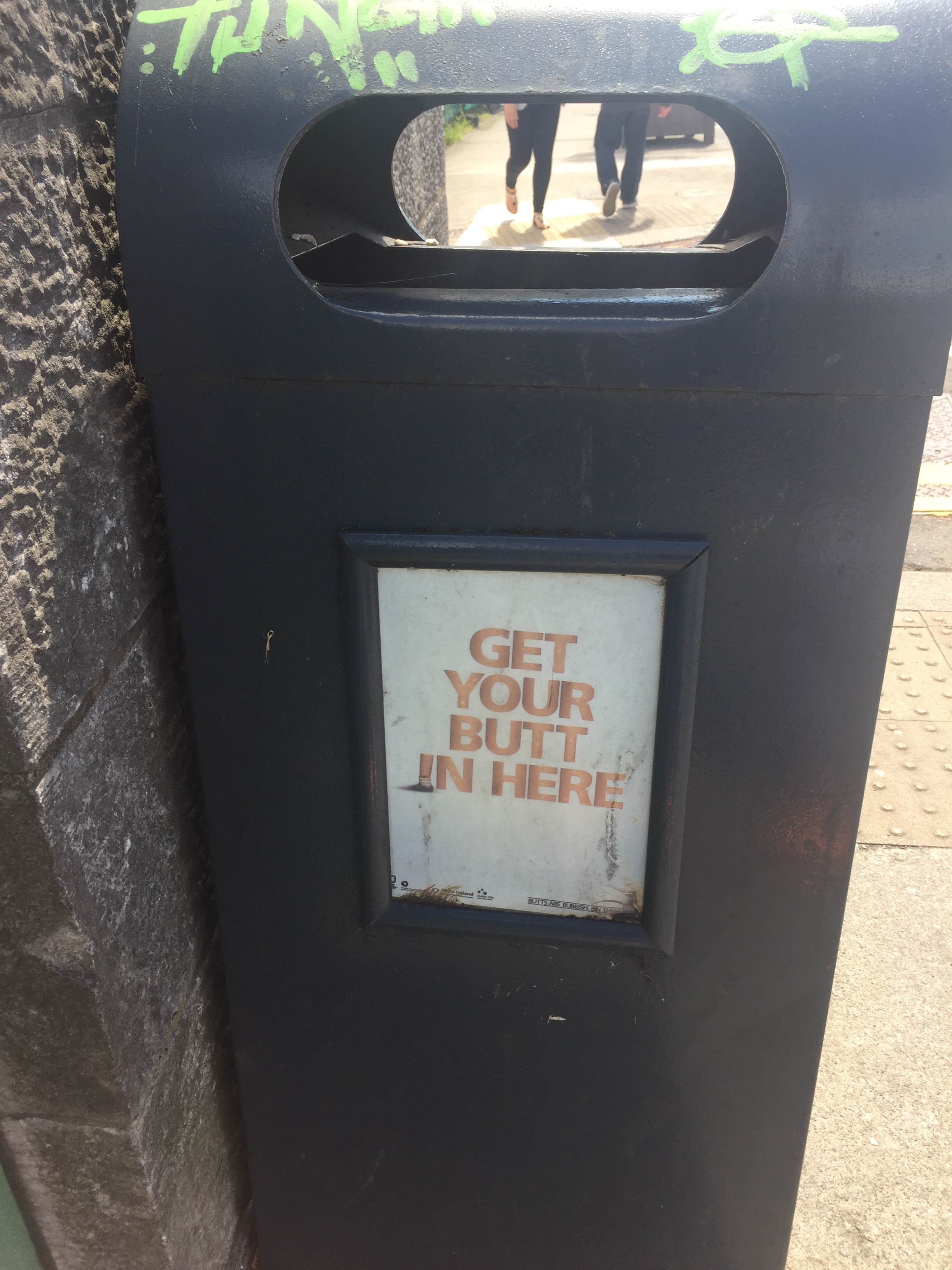
And speaking of rules, I very much appreciated the signage spotted in Dublin and the attempt to persuade people to be neat and tidy. 

IMG_7913.JPG
IMG_7915.JPG


Now on to my travels through the dark, uncertain recesses of the medical world. Not all of our travels can be full of pretty scenes and food, right? Sometimes expats find that their distance from the U.S. is a giant, anxiety-producing monster. Like it became earlier this month when Rachel called in tears of pain from her swollen knees. The first doctor (orthopedic surgeon) proclaimed it a symptom of Lyme's disease (who knew?). So back to the U.S. I came to help her navigate the decidedly non-science world of medicine, where different doctors tell you different things and start the appointment by criticizing what the previous doc did. Three weeks into treatment for Lyme's, we were told she doesn't have Lyme's after all. She has rheumatoid arthritis. It's an auto-immune disease. Not exactly the news we were hoping for, but I'm trying to put it in perspective. Does it make you feel better to try to think of people worse off than you? It's my go-to when things go wrong for me and mine. And like most of you, I start to search for information and answers. Google is truly a double-edged sword when it comes to medicine. It gives you some much-needed information, but also takes you down a rabbit-hole of scare-you-silly stories. I'm trying to minimize the time I spend searching these days.

One thing this journey has reminded me is how hard it is for most of us to deal with illness. Maybe it's the difficulty of dealing with uncertainty or things that can't be quickly fixed. So what we do is ask the person who's sick, "How are you feeling?" or "Feeling any better today?" because it's just so hard to hear that nothing has changed and she doesn't really feel any better. We do it out of love and concern, and because what else can you say? No one teaches you how to deal with this, until you have a long-term sickness yourself or you are in the throes of helping someone close to you manage. Is it O.K. to just say, "Sorry you are feeling this way," and leave it at that? That goes against our human nature, I think, which is to seek results and cross things off of lists. We seek change and improvement, and when that doesn't come because of physical or mental health issues, we are left bewildered. We also try to help out by sharing stories of our own connections to disease, as if this will make the person with the illness feel better, in a more-the-merrier kind of way. Believe me, I've engaged in this story-sharing, too. I realize now that especially when a person first gets a diagnosis, the last thing they need to hear are horror stories of disease gone horribly wrong. Again, I know this is just our human nature: to connect somehow to bad news and somehow lighten the load for the person who's sick. Disappointment is tough to deal with. Best song ever about disappointment. Sorry that the song doesn't match up with the video. Just another example of things being a little off. 

I just started reading a book called The Tincture of Time: A Memoir of (Medical) Uncertainty. The author is a mom, ex-lawyer turned writer, daughter of a doctor (yup, we share some history) who is writing about some of the issues I've been turning over and over in my head, usually between 3 and 4 a.m. Apparently, there is a concept known in the medical world as "the tincture of time". Given time, many medical problems seem to resolve themselves. That's far from comforting when you are waiting and waiting for answers. When you are sick, or helping someone who is, your days quickly lose the energy they usually have. "Many days fell away with nothing to show." That's how it feels.

I've learned more than I can explain from friends who have had to struggle with some of the cruelest diseases there are. Thank you, Kelly, Arthur, and Danny for all of the lessons I've learned from you. And then there are the strongmen and strongwomen who stand by their men and women. The word caretakers doesn't begin to explain what they do. Thank you Mom, John, Janet, Laura K., Laura F. and Cristina (and apologies to anyone I've left out), for being role models, for showing me how to be there for someone who is hurting. That's one tough job. There is something particularly painful about watching your own kid experience pain. You would do anything to trade places with her. While sitting in various doctors' offices, I couldn't help but think about this scene with Shirley MacLaine from Terms of Endearment. Brilliant.

So thanks to family for all their love and helping us laugh (first prize in the laughter category to my sister Jen), to my mother-in-law Lenore for letting us take over her place), to books and Netflix for helping Rachel and me take our minds off of illness, and to writing for letting me vent and sift through my feelings. And to you for listening. Thanks as always to music, for helping us sing. Soon, we hope there will be dancing. A lot of dancing. And a trip to the Irish countryside, too.

July 31, 2017 /Suzanne Vine
34 Comments
I don't think you can possibly stay in a bad mood if you're riding on a bike decked out like these are.

I don't think you can possibly stay in a bad mood if you're riding on a bike decked out like these are.

Carless and Careful: Learning the Rules of the Road in Amsterdam

June 09, 2017 by Suzanne Vine

For most of us Americans (with the exception of residents of Portland, Oregon; my friend Sarah - a Masters cycling champion - and my son Ben who rides hilly distances I would be tired from driving), riding a bike is something we mostly did as kids. I remember cruising down Abernethy Drive in Trenton, N.J. on my pink Schwinn bike, sitting pretty on my flowered "banana seat", feeling like a boss. Now that I use a bike as my primary form of transportation, I get to feel that carefree/wind-in-your-hair feeling almost every day. In other words, I get to feel like a kid. If you have spent nearly your entire life using a bike to commute, do your errands, and ferry your kids around - like the Dutch - do you still get that "kid" feeling when you hop on? I'm guessing the answer is no, and that may be the reason we expats tend to bike so differently from our Dutch neighbors. So while I may amble along, almost everyone - from a grey-haired lady of a certain age to toddlers and everyone in between- is going as fast as their legs will carry them. It seems to be in their DNA. I think they are hearing something like this when they maneuver their bikes ahead of mine at every stoplight.

Whereas I'm hearing something more along the lines of this next song by Chicago as I pedal. I never knew that the full version included this piano intro. If you are in a hurry - like the bikers passing me on the road - you can skip ahead to 1:15 where the horns blast in, but I recommend listening to the whole shebang. 

I think this was what my seat and handlebars looked like. I was born in an era when we didn't snap photos to memorialize each and every passing moment. I rely on my memory, and Google.

I think this was what my seat and handlebars looked like. I was born in an era when we didn't snap photos to memorialize each and every passing moment. I rely on my memory, and Google.

From the perspective of this Jersey girl who has spent a good deal of her life stuck in traffic, riding a bike certainly beats being jammed in a car on a highway. Imagine the difference between being cooped up in a car with a screaming child, versus being on a bike. When you are on a bike, the tantrum spills out into the air, not directly from the back seat into your ears. Also, the whole world shares in your misery because they hear the screaming, too, which must help you feel less alone. Actually, you hear surprisingly few tantrums pass you by when you are on your bike, but I've certainly heard a few. I wonder if Dutch parents say absurd things about leaving their kids on the side of the road, the way American parents do. I did once hear a mom tell her howling kid, "Doe normaal!" which roughly translates into, "Act normal." Had she yelled that out in a car, I never would have heard it. So biking has also helped my Dutch. I've also heard my share of "Stomme vrouw"s (stupid woman) shouted at me either while I am trying to cross the street on foot, or while I commit some mysterious infraction while riding my bike. It often feels like a pedestrian is at the bottom of the transportation hierarchy pole here. The biker is at the top. 

Most expats are struck - maybe not the best word to use when talking about riding a bike - by the fact that the Dutch do not wear bike helmets except when they are on road bikes for longer/faster rides. We were told when we arrived that wearing a helmet would brand us as expats, and make our rides that much more treacherous than they would be with helmets. We took that advice to heart. There are amazingly few accidents involving cyclists here. That is due not just to the fact that drivers have more experience sharing the road with cyclists, and not just because of the extensive network of bike lanes, although those are certainly factors. The big difference between cycling in the U.S. and the Netherlands is the way traffic laws have influenced behavior. Most people subscribe to the not-quite-true legend that if a car and a bike are in an accident in the Netherlands, the car always has to pay the damages, even if the accident was completely the fault of the bike. That is not exactly the case. In 1997, a strict liability law was introduced (but ultimately withdrawn) making the driver responsible no matter what the circumstances. That led to this parody showing the biking shenanigans that would ensue if the bill became law.

So what can cyclists get away with and why? Dutch law recognizes that a hefty metal object weighing several thousand pounds can inflict far more damage than a slender bicycle can. The law treats both cyclists and pedestrians as "zwakkere verkeersdeelnemers" (weaker participants in traffic). If there is an accident, the car driver pays for the damage unless he can show that the accident was caused by circumstances beyond his control and none of the blame for the accident falls on him. Apparently, this standard is extremely hard to prove. Even if the bike rider is at fault, the car is still responsible for 50% of the damage. That, my friends, is why it's safer to ride here than in the U.S., even without a helmet. During the recent election, almost all the political parties mentioned their positions on bike-friendly policies. Can you imagine cycling being discussed during elections in the U.S.? 

This is a stroller, not a bike, but I've been waiting for the right moment to share the photo. I'll put it in the category of things I see Dutch people take on walks with their wheels.

This is a stroller, not a bike, but I've been waiting for the right moment to share the photo. I'll put it in the category of things I see Dutch people take on walks with their wheels.

One favorite topic amongst expats is the things you have seen Dutch people tote while riding a bike. We have all seen - and certainly heard - them drag a wheelie suitcase along the street. Here are a few of my favorite things I've also seen: a full-size ladder, an armchair (on his head), a large plant, a car battery, and a cake. I wish I had photos to prove those sightings to you, but it all happens so quickly, so you'll just have to trust me.

Heading to the pool or the beach with inner tube, kid, and stuffed bear.

Heading to the pool or the beach with inner tube, kid, and stuffed bear.

I did manage to capture this woman biking with her cello in tow. Since we live so close to the Concertgebouw, the main concert hall, we see a lot of musicians out for a stroll with their instruments.

Although not technically objects, children are also carried around on bikes. They are sometimes strapped into a front-loaded wagon known as a Bakfiets, but are also found standing up on the back of the bike, or if they are babies, riding in a baby carrier on the chest of the rider. I can't imagine having the confidence in myself or the drivers around me to risk that kind of a ride. 

For a family with three kids. Mom (or Dad) divides and conquers by having one ride behind her and two in front.

For a family with three kids. Mom (or Dad) divides and conquers by having one ride behind her and two in front.

In addition to talking about what we see Dutch people carry on their bikes, we expats also like to compare notes on the things we have seen Dutch people do while biking. Here are a few of my personal sightings: hold hands, fight - complete with swats from bike to bike - smoke, drink, and (far too often) talk and text. Miraculously - and also dangerously - these last two are often done with both hands on the device, zero hands on the bike, and and zero eyes on the road. It's more than a minor miracle that there aren't more accidents. Although you might not know it if you cycle here regularly, there are some rules of the road. You have to have a bell and lights, you can't run red lights, and you also can't ride while under the influence. Whether those laws are ever followed is another matter entirely. On our corner, I watch the cyclists zoom through the red lights, treating it like a suggestion rather than a command. This, by the way, is what popular wisdom says about the Dutch attitude towards laws in general: they are all merely "suggestions". Sometimes the bike symbols are downright confusing to me. For example, there are "shark's teeth" - white triangles - painted on many bike paths. I have never been sure of the rule. Who has the right of way? The person the point is facing? The person with the longer side of the triangle on their side? It turns out that the rule is the shark will bite you if you are supposed to stop. In other words, the point points towards the vehicle or bike which is supposed to stop. Where is the sign explaining the symbols to tourists and expats?

If you happen to forget what the shark's tooth is telling you, the stakes are often pretty high. There is a train track next to this path.

If you happen to forget what the shark's tooth is telling you, the stakes are often pretty high. There is a train track next to this path.

Apparently, in Utrecht, they are testing out a new "smart bike" route that allows bikers to time their speed so as to cycle without having to wait for any red lights. Along the route, you will see digital signposts of animals, telling you whether you have to slow down to reach a green light (you'll see a turtle), or speed up (a rabbit). It seems a bit rude, but if you have no chance of making a green light, you'll see the image of a cow. I'm afraid to check out this system in Utrecht. 

Another clever technology fix I just learned about helps pedestrians, not bikers, but since I do a lot of walking here, I was instantly intrigued. It's an app being tested in the city of Tilburg to help elderly pedestrians cross the street. Ever feel like you don't have enough time to get across the street before the light turns an angry red? With this app, you somehow signal to the traffic lights that you need extra time, and voilà, you have all the time you need. Of course, the problem is you need both a smartphone, and the ability to learn how to use the app. Maybe they need some teenage grandkids hanging out on the street corners of Tilburg to help their omas and opas (grandmas and grandpas) figure out how to use this new-fangled invention.

Back to the subject of bike rules. I'm waiting patiently for the law prohibiting motorbikes from riding in the bike lane. They're giant hulks of metal that go fast, pass too close to the bikes, and make too much noise. Apparently, this law has been endlessly debated and discussed, but so far all the blah-blah-blah hasn't resulted in a change. My fingers are crossed. As far as the rules already in the books being enforced, let's just say it is rare for someone to get "pulled over" for breaking a bike law. I sometimes feel like I must have an American flag tattooed on my forehead, so I'm sure that if I did ride with Dutch abandon, I would be fined. I follow those laws to a T. My way.

And while we are discussing bike subsections (what people carry, what they do), we can add types of bikes. Most bikes on the road are the typical Dutch black bike. You do see bicycles built for two, but more often than not, those are for tourists. I think it takes more coordination to ride a bike together with someone else than it does to wing it on your own. And speaking of tourists who rent bikes, while some of my closest friends are tourists, I try to steer clear of them when they are on bicycles. When you see a big group of twenty-somethings on bikes, fresh from a tour of the coffeeshops, merrily ringing their bells, you, too, can scowl at them just like the Dutch do. It makes you feel like an insider. If you don't feel comfortable biking here, you can always hop on the back of someone else's bike. There's a program called Yellow Backie which allows you to hop on for free onto any yellow back-bike seat (also given out for free to willing participants) by just shouting out, "Backie!" I have never seen anyone using this service, but it's a great idea.

Although many of the bikes you see around town are somewhat rusty and decrepit, on weekends you do see a lot more racing bikes on the road. Then it's my turn to be scowled at. There are also all manner of unusual bikes, like the wooden one pictured below. Not a great material for a bicycle in a country where it rains 300+ days a year. Bikes are also used to deliver your food, and to advertise businesses. You don't see nearly as many billboards here telling you about stuff to buy. Here, the bikes do a lot of the hawking.

 Rachel and her friend Kristi proved that it takes a lot of cooperation to ride a tandem bicycle. My married friends Seanette and Richard almost came to blows in the tulip fields on one.

Rachel and her friend Kristi proved that it takes a lot of cooperation to ride a tandem bicycle. My married friends Seanette and Richard almost came to blows in the tulip fields on one.

 When a bridge went up, the bikers all stopped to check their phones or their blood pressure or something.

When a bridge went up, the bikers all stopped to check their phones or their blood pressure or something.

 Pretty, but just a biker's version of eye-candy.

Pretty, but just a biker's version of eye-candy.

 I loved the green bike at this restaurant ( The Avocado Show ) which has been all the rage on Instagram and FB. I didn't think it lived up to all that hype, by the way. The bike was the highlight of the visit.

I loved the green bike at this restaurant (The Avocado Show) which has been all the rage on Instagram and FB. I didn't think it lived up to all that hype, by the way. The bike was the highlight of the visit.

This is a beer bike. If you had your heart set on a bachelor or bachelorette party which included a ride on one of these, you better come quickly. A ban on these bikes in the center of the city is going into effect come November. This takes the idea…

This is a beer bike. If you had your heart set on a bachelor or bachelorette party which included a ride on one of these, you better come quickly. A ban on these bikes in the center of the city is going into effect come November. This takes the idea of drinking and riding to a new level. You are required to keep pedaling along with your pals as you guzzle. 

With so many people biking around, there are a lot of bikes left stranded in Amsterdam. The city is trying to deal with the problem of abandoned bikes, which clutter things up for the rest of us who are looking for a place to park. Recently, I got to put the city to the test when I called a newly-created hotline about a rusty old thing that someone had left in the rack outside our apartment. After sending in a photo of the poor old dear, it was eventually removed. I count that as one of my biggest achievements since moving here. Democracy in action. I wish we could somehow link up the folks stealing bikes with the people abandoning theirs. Bike theft continues to be a big problem in the city. Too bad the folks stealing the bikes can't concentrate on the ones that have been left out in the cold. 

Although I did just say that biking is safer here primarily because cars know how to share the road, that's not to say the extensive bike paths aren't also a big part of the story. Other than in the center of Amsterdam, where cars and bikes have to share the cobblestoned streets, there are usually separate paths for bikes. I do wish those paths were more clearly marked with giant bike symbols, rather than the very intermittent and subtle ones I see. No wonder pedestrians happily walk down the center until a loud ring of a bell or even a shove from a biker tells them otherwise. 

In fact, there are about 35,000 kilometers of bike paths in the Netherlands. A few deserve a special shout-out. The first is a suspended bicycle roundabout called the Hovenring, which looks like it floats above the highway beneath it.

The second standout bike path is the Van Gogh Starry Night path, designed by artist Daan Roosegaarde and lit by solar-powered blue and green LED lights. I need to cross paths with both of these paths someday.

Having just returned from a trip to the U.S., I can tell you that although there are definitely more bikes around town than I remember seeing before, the pickings are still slim. The car is definitely the king of the road. We spent a lot of time in the car during our visit, something I don't miss at all. I don't miss all the traffic, and the aggravation. It would take a sea change for biking to become a part of the culture in the U.S., the way it is in the Netherlands. We would need to call upon the Dutch for their expertise, just as we did after Hurricane Sandy when they came in to advise us on how to deal with lots and lots of water. It turns out that there is now a Bicycle Mayor in Amsterdam. Her job is to act as an ambassador for cycling in Amsterdam and to help other cities become more cycle-friendly. How's that for a job? If you read the fine print, however, you will see that it's a volunteer position for now. I knew it was too good to be true.

The fact that biking plays such an important part in life in the Netherlands explains a lot about the Dutch. Let me preface my explanation of these theories of mine by saying when I told them to a British neighbor, she said "Brilliant!" Then again, the Brits say that about almost everything, so that's not exactly a ringing endorsement. Nevertheless, here are a few Dutch habits I think are explained by all that biking: 

  1. Speaking very loud. When you spend a lot of your time on a bike, you have to shout to be heard when you are having a conversation. This becomes a habit. You might do the same even when off-bike.

  2. Not covering your mouth when you cough. When you are biking, you might not be able to take your hands off the handlebars to cover your mouth when coughing (and you are probably also gripping your phone, so you have no hands available for personal care). Also, no one is right next to you, so you don't necessarily need to cover. Instead, you just cough into the open air. You might do the same even when off-bike. 

  3. Being independent kids. Since they are able to get around town on their own on a bike, kids here are more independent. Imagine being in middle school and not depending on your folks to squire you around town. This explains why many people say Dutch children are "free range".

  4. Being a good driver? (I'm not sure about this one). You grew up signaling with your hand when turning, yielding, and merging on your bike instead of zoning out in the back seat of a car while your parents chauffeured you around. You might grow up to learn how to be a better car driver and better able to manage driving with calm concentration while cyclists zoom around you on the roads.


Rather than fuss with training wheels, let's take a page from the Dutch book on teaching young riders to cycle. Put the seat low enough so they can push themselves along until they can balance on their low-rider. Then when they are ready, they can p…

Rather than fuss with training wheels, let's take a page from the Dutch book on teaching young riders to cycle. Put the seat low enough so they can push themselves along until they can balance on their low-rider. Then when they are ready, they can pedal. Brilliant!

So has biking made me feel like more of an insider here? The answer is yes...usually. I love the convenience of getting from Point A to Point B more quickly. I love the little-kid feeling I have as I bike (as long as I'm not grappling with traffic and streams of other riders). I also love that I can be out on my bike and "run" into friends who are out on a boat ride. Amsterdam really is a village.

IMG_7694.jpg
DSC_0156.jpg

Do I miss having a car? Sometimes, especially when it's pouring or I am venturing outside of the city. On the other hand, I don't miss all of the logistics like parking, looking for parking, or forgetting where I parked. As i mentioned in my post about cars here, there are some really tiny cars that are allowed to drive in the bike lanes, and which you can park anywhere. I sometimes secretly wish I had one.

Here's an aptly named car parked smack in the middle of the square where children play. Photo credit to my friend Laura who appreciates the straightforward truth and a good laugh.

Here's an aptly named car parked smack in the middle of the square where children play. Photo credit to my friend Laura who appreciates the straightforward truth and a good laugh.

The truth is I'm not nearly as footloose and fancy-free when I'm on my bike as the Dutch cyclists who surround me. When I start to feel like an anxious American, an imposter on the bike path, I am reminded of a line from Furiously Happy, by Jenny Lawson. True, she was describing her total meltdown from anxiety before recording the audio version of her book, and not something as mundane as riding a bike. However, the advice still rings true. When she panicked, feeling she wasn't up to the task of reading her book aloud for millions of readers, a writer friend told her, "Just pretend you're good at it." That's what I do as I pedal along: a lot of pretending. Someday, I hope my dream will come true and I'll really be part of the chain gang.

This was the light at the end of the tunnel after all that driving when we were in the U.S. Congrats, Rachel Drucker! Good luck on the road ahead of you.

This was the light at the end of the tunnel after all that driving when we were in the U.S. Congrats, Rachel Drucker! Good luck on the road ahead of you.

June 09, 2017 /Suzanne Vine
8 Comments
  • Newer
  • Older

Powered by Squarespace